
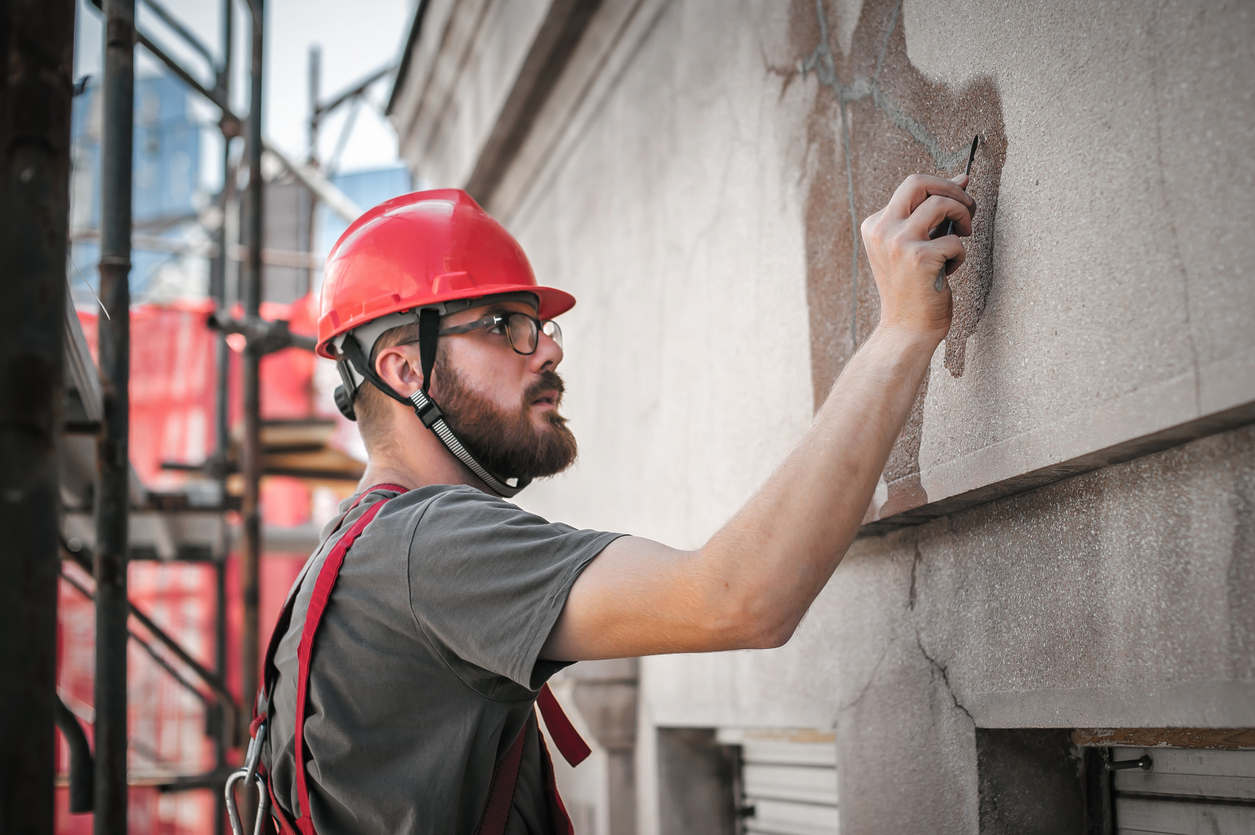
How to Repair Concrete Properly
Concrete is a durable and long-lasting material, but over time, factors such as weather, heavy loads, and poor installation can cause cracks, spalling, or deterioration. Repairing concrete correctly is crucial to maintaining the structural integrity and longevity of any construction project. Below is a guide on how to repair concrete efficiently and effectively.
Assessing the Damage
Before any repairs are made, a thorough assessment of the damaged area is essential. The type and extent of the damage will determine the appropriate repair method. Common types of concrete damage include:
- Cracks may be structural or non-structural. Hairline cracks might be cosmetic, while wider cracks can indicate deeper issues.
- Spalling occurs when concrete flakes or chips away, often due to freeze-thaw cycles or corrosion of embedded reinforcement.
- Scaling is surface deterioration caused by improper finishing, de-icing salts, or poor-quality concrete.
- Delamination refers to layers of concrete separating due to poor bonding or trapped moisture.
Once the damage is identified, a repair plan can be developed.
Choosing the Right Materials
Selecting the appropriate repair material is critical to achieving a durable fix. Options include:
- Epoxy or polyurethane injection for sealing narrow cracks without structural reinforcement.
- Cementitious repair mortars for patching larger cracks, spalled areas, or delaminations.
- Polymer-modified repair materials for superior adhesion and flexibility.
- Concrete resurfacing products for addressing widespread surface deterioration.
Matching the repair material to the specific damage ensures longevity and performance.
Preparing the Surface
Proper surface preparation is essential in concrete repair. Without adequate preparation, even the best materials will fail prematurely. The process includes:
- Cleaning the area to remove dust, debris, oil, or loose concrete using tools like a wire brush, pressure washer, or vacuum.
- Removing unsound concrete by chiseling away loose or deteriorated areas with a hammer or mechanical tools. Only solid concrete should remain.
- Roughening the surface through mechanical methods such as grinding or sandblasting to improve adhesion. In deeper repairs, undercutting the edges helps lock the repair in place.
- Moistening the surface for cementitious repairs. Dampening the area prevents premature drying and ensures strong bonding.
Repairing Cracks in Concrete
Concrete cracks vary in severity, and the repair method depends on whether the crack compromises structural integrity.
Non-Structural Cracks
- Fine surface cracks can be repaired by:
- Cleaning the crack with a brush or vacuum.
- Filling the crack using an epoxy or polyurethane sealant applied with a caulking gun.
- Smoothing the sealant with a trowel or putty knife.
- Allowing the material to cure according to manufacturer instructions before exposure to traffic or moisture.
Structural Cracks
These require a more robust approach:
- Widening the crack slightly using a grinder or chisel to form a V-shaped groove.
- Cleaning out debris with compressed air or vacuum.
- Injecting high-strength epoxy or polyurethane foam using an injection kit if needed.
- Monitoring the crack over time to ensure no further movement occurs, as this could indicate deeper structural problems.
Repairing Spalling and Scaling
Spalled and scaled areas should be patched with suitable repair mortars by:
- Removing all loose and deteriorated concrete using mechanical tools.
- Cleaning and roughening the surface for optimal adhesion.
- Cleaning exposed reinforcement bars, removing rust with a wire brush, and applying a corrosion-inhibiting coating.
- Mixing and applying patching material in layers, compacting properly.
- Finishing the surface with a trowel to match surrounding concrete.
- Curing the repair to avoid shrinkage cracks or early failure.
Restoring Large Areas with Resurfacing
For extensive surface damage, resurfacing is a practical solution:
- Clean the entire surface thoroughly to eliminate contaminants.
- Repair deeper cracks and spalled zones before resurfacing.
- Mix the resurfacing compound according to instructions.
- Apply the material with a trowel or squeegee to ensure even distribution.
- Finish with a broom or roller if slip resistance is required.
- Cure the surface as recommended before it is used.
Preventing Future Damage
After repairs, preventative maintenance helps extend concrete life and reduces the need for future fixes.
Apply a concrete sealer to shield against moisture, chemicals, and de-icing salts.
Improve drainage to avoid water accumulation and freeze-thaw damage.
Limit heavy loads on weak sections to prevent additional stress or cracking.
Inspect the concrete annually to identify and address small issues before they worsen.
Conclusion
Concrete repair is effective only when the proper techniques and materials are used. Assessment, preparation, and material selection are the cornerstones of lasting repairs. Skipping these steps often leads to repeated problems and higher costs. When done correctly, repairs will restore both strength and durability, keeping the concrete functional for years to come.
