
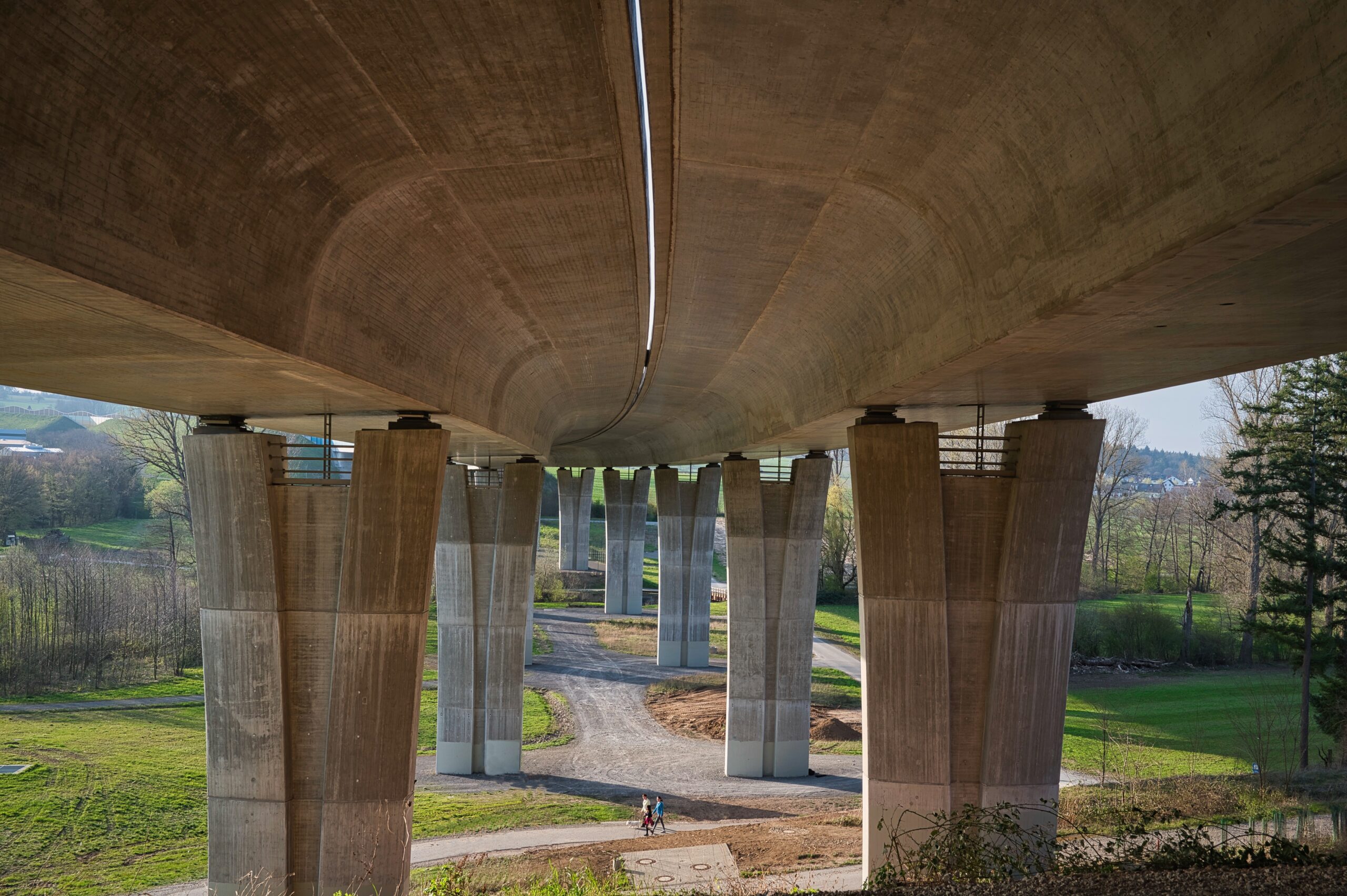
Understanding Pre-Stressed Concrete Members
By Gabriel, Concrete and Civil Engineering Specialist
Pre-stressed concrete has a critical role in modern construction. It is not just a solution but an answer to inherently weak tensile characteristics of conventional concrete. At its core, pre-stressed concrete ensures enhanced load-bearing capacity, minimized cracking, and material efficiency. This article dives into the key aspects of pre-stressed concrete members, how they function, and why they are indispensable in modern engineering.
What is Pre-Stressed Concrete?
Concrete, as a material, performs exceptionally well under compression but falters under tension. To counteract this, pre-stressing techniques are employed. Pre-stressed concrete is a form of reinforced concrete where high-strength steel tendons apply internal compressive forces to compensate for tensile stresses occurring during service life.
Understanding this technique requires recognizing how compressive stresses balance tensile forces in a structural member. Through pre-stressing, you can reduce or eliminate tensile stresses, preventing cracking and deflection even under heavy loads. This balance allows for thinner, longer, and more efficient structural elements compared with traditional reinforced concrete.
Types of Pre-Stressing
There are two primary types of pre-stressed members based on the method of pre-stress application:
1. Pre-Tensioning:
– In this method, tendons are tensioned before the concrete is placed.
– Tendons are stretched across a form and anchored temporarily. Concrete is then poured over the stretched tendons. Once the concrete reaches sufficient strength, the tendons are released, transferring compressive stresses to the concrete.
– Pre-tensioning is typically used in precast concrete manufacturing, such as beams, slabs, and piles.
2. Post-Tensioning:
– Post-tensioning involves tensioning the tendons after the concrete is cast and has gained strength.
– In this method, ducts or voids are installed within the concrete member, and tendons are threaded through these ducts. Once the concrete cures, tendons are tensioned and anchored at the member’s ends.
– Post-tensioning is often applied to in-situ structures like bridges, parking garages, and large-span slabs.
Both methods enable minimal cracking and optimal load-bearing capacity.
Design Considerations for Pre-Stressed Members
The design of pre-stressed concrete members requires a solid foundation in structural mechanics, concrete material behavior, and construction practices. Here are the critical factors to consider:
1. Material Properties:
– Concrete: High-strength concrete is essential for pre-stressed members. Tensile stresses induced during pre-stressing can lead to cracking if the concrete isn’t robust enough. Additionally, concrete’s creep and shrinkage properties are critical, as these influence the pre-stress loss over time.
– Steel Tendons: Tendons must possess high tensile strength and low relaxation properties. Typically, high-strength steel cables, wires, or bars are used.
2. Pre-Stress Level:
– Over-stressing can lead to cracking or failure of the concrete section, while under-stressing results in inadequate tension control. Pre-stress forces must be calculated with precision to balance the member’s internal stresses.
3. Cross-Section Geometry:
– Cross-sections should be efficiently shaped to contain the compressive forces resulting from pre-stressing. For example, I- and T-sections are commonly used for beams.
4. Load Analysis:
– Pre-stressed members must bear service loads (live, dead, wind, and seismic). Load balancing is achieved by distributing compressive forces introduced by pre-stressing.
5. Losses in Pre-Stress:
Over time, pre-stress losses occur due to factors such as:
– Elastic shortening of concrete during the release of pre-tension forces.
– Creep and shrinkage of concrete.
– Relaxation of the steel tendons under sustained stress.
– Frictional losses during post-tensioning.
Effective design accounts for and mitigates these losses to ensure that the member performs adequately over its lifecycle.
Advantages of Pre-Stressed Concrete
Pre-stressed concrete isn’t just an improvement over conventional reinforced members—it’s a paradigm shift in structural engineering. Its main advantages include:
1. Higher Load-Carrying Capacity:
– Pre-stressed members utilize materials more efficiently, allowing for longer spans, heavier loads, and thinner sections.
2. Crack Control:
– Compression stresses introduced during pre-stressing minimize cracking under tensile forces, enhancing both structural capacity and durability.
3. Reduction in Material Consumption:
– By optimizing the material’s efficiency, pre-stressed members often require less concrete and steel, reducing costs and promoting sustainability.
4. Improved Structural Durability:
– Reduced cracking ensures better resistance to environmental factors, such as freeze-thaw cycles, carbonation, and chloride penetration, which prolong service life.
5. Flexibility in Design:
– From long-span bridges to thin-slab floors in skyscrapers, pre-stressed concrete provides unmatched versatility in structural design.
Applications of Pre-Stressed Concrete
Pre-stressed concrete members are found in a variety of infrastructure and building projects, such as:
1. Bridges:
– Pre-stressed concrete enables faster construction of long-span bridges with minimal piers while reducing dead loads. Examples include segmental box girders and precast bridge beams.
2. High-Rise Buildings:
– Long-span slabs with less deflection, as well as floor systems that reduce floor-to-floor heights, are made possible with pre-stressed concrete.
3. Industrial Facilities:
– Pre-stressed beams and slabs are widely used in warehouses, parking garages, and manufacturing facilities where large open spaces are required without intermediate columns.
4. Water Tanks:
– Circular pre-stressing is applied for large irrigation reservoirs, water tanks, and gas storage facilities to enhance crack control and resist internal pressure efficiently.
5. Railway Sleepers and Poles:
– Pre-stressed members are integral to rail infrastructure and utility distribution systems.
Challenges in Pre-Stressed Concrete Design
While pre-stressed concrete benefits far outweigh the challenges, engineers need to navigate the following:
1. Complexity:
– Pre-stressed concrete design requires a deeper understanding of construction processes, material behavior, and stress-state analysis. It demands highly skilled engineers.
2. Specialized Equipment:
– Pre-tensioning beds, anchorage systems for post-tensioning, and precision jacking systems are essential, raising the initial cost.
3. Installation Quality:
– Errors in tendon placement, anchorage systems, or post-tensioning procedures can severely impair structural performance. Rigorous quality control is essential.
4. Time-Dependent Behavior:
– Long-term effects like creep, shrinkage, and relaxation need consistent monitoring for service-life predictions.
Conclusion
Pre-stressed concrete members represent the pinnacle of innovation in concrete technology, blending material science, structural mechanics, and construction practices into efficient, durable, and versatile systems. By managing internal stresses and leveraging high-performance materials, engineers have expanded the possibilities of what concrete structures can achieve.
However, success with pre-stressed concrete isn’t just about applying principles—it requires expert execution, robust design, and precise material selection. As a civil engineer specializing in concrete technology, I have seen firsthand how mastering these elements can lead to transformative outcomes in construction projects.
Pre-stressed concrete will continue to dominate the infrastructure landscape, especially as our world demands more sustainable, efficient, and resilient construction solutions. Whether designing bridges, skyscrapers, or storage tanks, understanding this technique is non-negotiable for any serious engineer. Always remember: a well-pre-stressed member is a well-performing structure.
