Boosting Contractor Efficiency: Maximizing Strength in Production

Concrette contractors

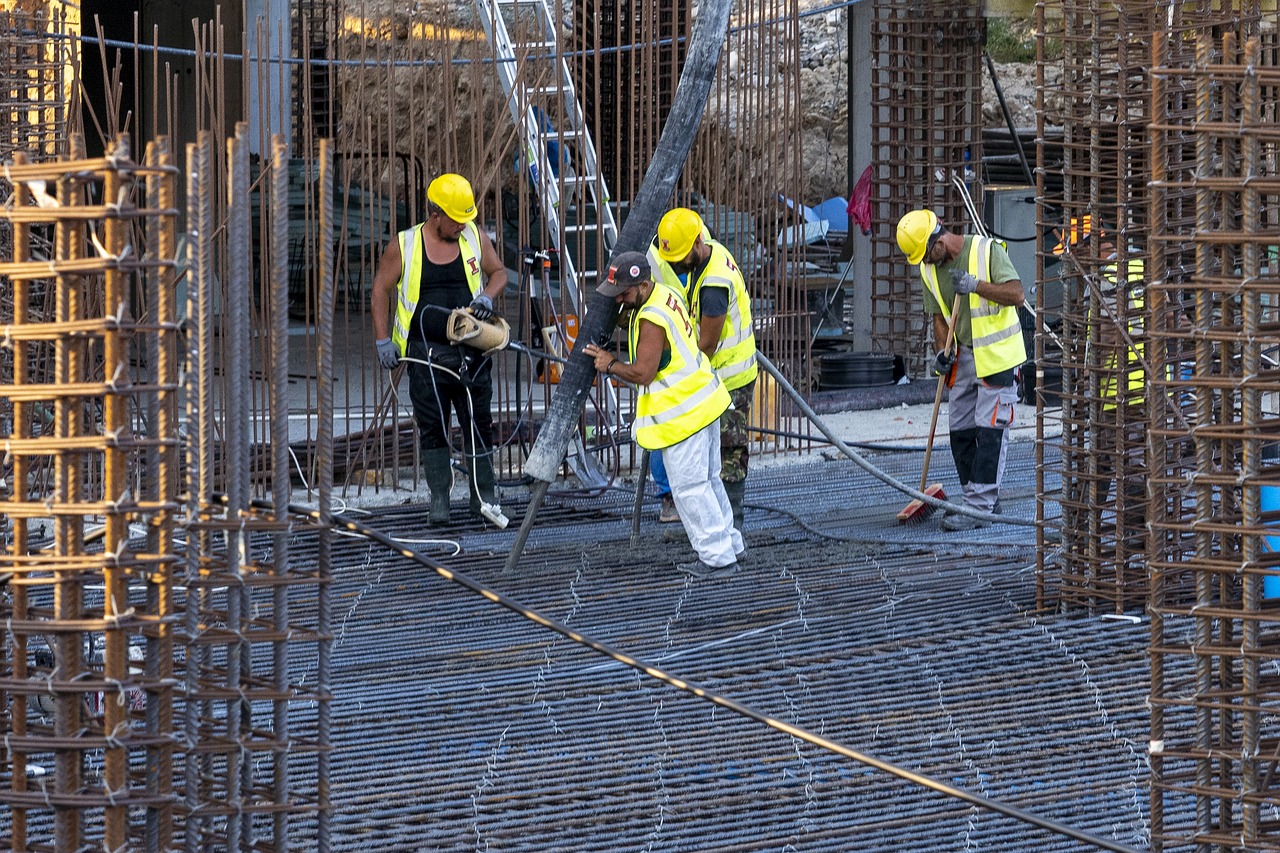
Maximizing Strength in Concrete Production by Contractors: A Civil Engineer’s Perspective High temperatures accelerate hydration but reduce long-term strength. Contractors should use chilled water, ice, or even substitute fly ash for part of the cement to manage hydration heat. Concrete is the cornerstone of modern infrastructure. From skyscrapers to bridges, its versatility and strength make … Read more
Minimize Cracking in Large Floors: Expert Tips for Success

concrete cracking

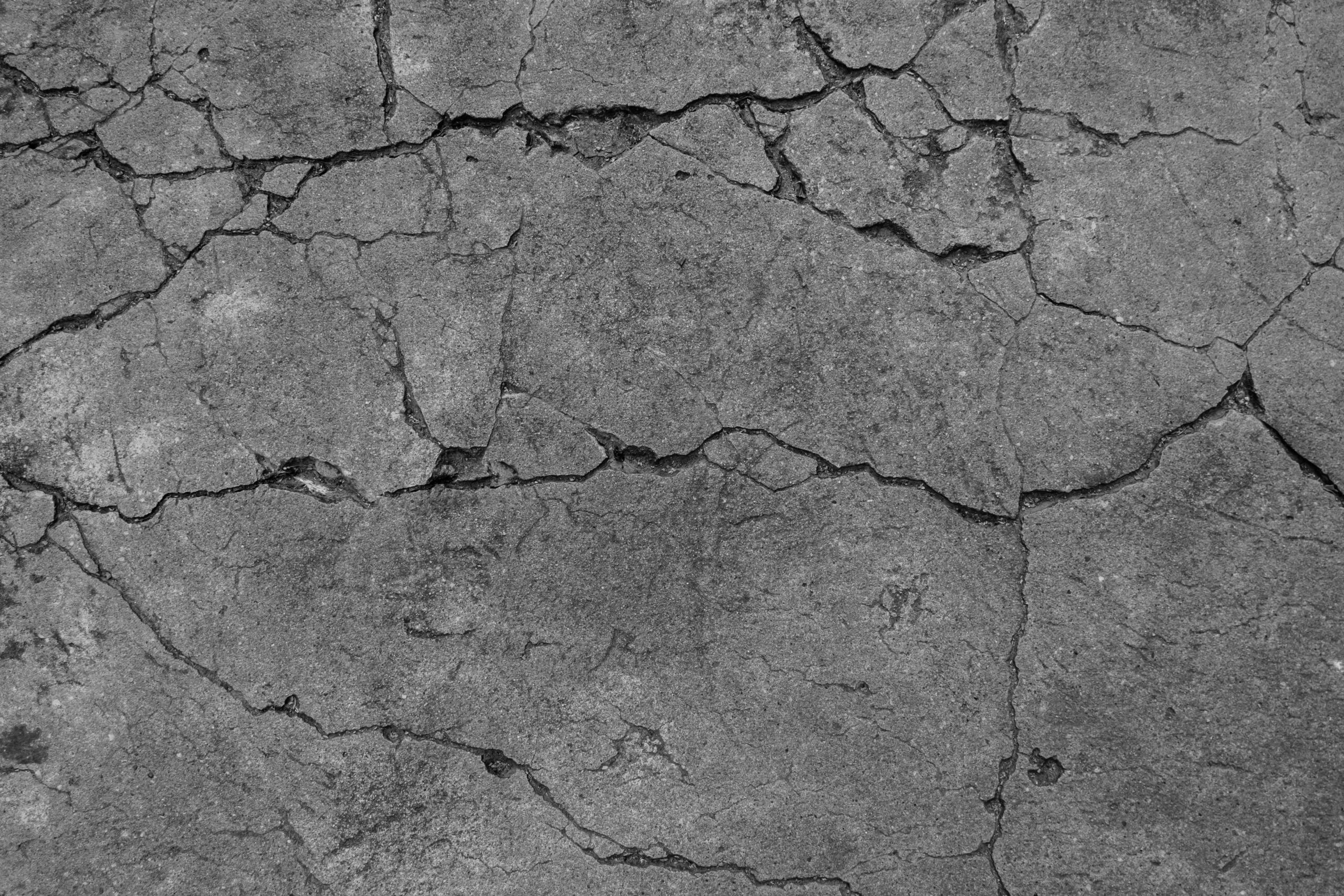
Reducing Cracking in Large Floor Areas: A Practical Guide Concrete is a versatile, durable material, but it has one inherent weakness—its tendency to crack. For large floor areas, this issue is even more critical, as the stresses introduced during and after construction increase the likelihood of uncontrolled cracking. The presence of cracks can compromise performance, … Read more

Difference Between Consistency, Plasticity, and Workability of Concrete

Difference Between Consistency, Plasticity, and Workability of Concrete As a civil engineer specializing in concrete technology, I have frequently encountered confusion around the terms consistency, plasticity, and workability. These are essential concepts in concrete science, and understanding their distinctions is critical for producing reliable, high-quality mixes. Whether you are working on ready-mix concrete for residential … Read more

Optimizing Concrete Mix Design for Enhanced Durability and Strength

Concrete Mix Design: The Foundation of Durable Construction Concrete mix design is a critical process that determines the quality, performance, durability, and sustainability of concrete in construction. As a civil engineer with a specialization in concrete, I’ve encountered countless cases where improper mix proportions have resulted in poor durability, structural failures, or significant cost overruns. … Read more

Most Useful Admixtures in Concrete

Concrete, a fundamental material in construction, is versatile and durable. However, its properties often need to be tailored to meet specific project requirements. Admixtures, substances added to concrete during mixing, play a crucial role in modifying its properties to improve performance, workability, durability, and strength. This article highlights the most useful admixtures in concrete and … Read more

Placing Concrete in Water

Placing concrete in water is a specialized construction technique often employed in marine construction, underwater repairs, and the installation of foundations or structures submerged in water. This method requires careful planning, precise execution, and a deep understanding of concrete behavior under aquatic conditions to ensure structural integrity and durability. This article delves into the essential … Read more

Water-Reducing Admixtures: Enhancing Concrete Performance

Water-Reducing Admixtures: Enhancing Concrete Performance Water-reducing admixtures (WRAs) are chemical additives used in concrete to reduce the water content necessary for achieving desired workability. This adjustment improves the strength, durability, and performance of concrete without compromising its fresh state properties. WRAs have become an essential component in modern concrete technology, enabling engineers and contractors to … Read more

What is a Cold Joint in Concrete?

In the world of construction, the term “cold joint” refers to a discontinuity in a concrete structure that occurs when one batch of concrete hardens before the next batch is placed, resulting in a weak bond between the layers. This can compromise the structural integrity, durability, and aesthetic quality of the concrete element. Understanding cold … Read more

Effect of Hot Cement on the Strength of Concrete

The quality of concrete depends on the careful balance of its ingredients and the control of variables during its production. One often-overlooked factor that can significantly impact concrete’s performance is the temperature of cement during mixing. Hot cement, whether due to storage conditions, ambient temperature, or other factors, can affect the strength and durability of … Read more

What is Cellular Concrete?

Cellular concrete, also known as foamed concrete, is a lightweight and versatile construction material made by mixing cement, water, fine aggregates, and a foaming agent. The foaming agent introduces air bubbles into the mix, creating a cellular structure that reduces the density of the material without compromising its essential properties. This innovative material has gained … Read more